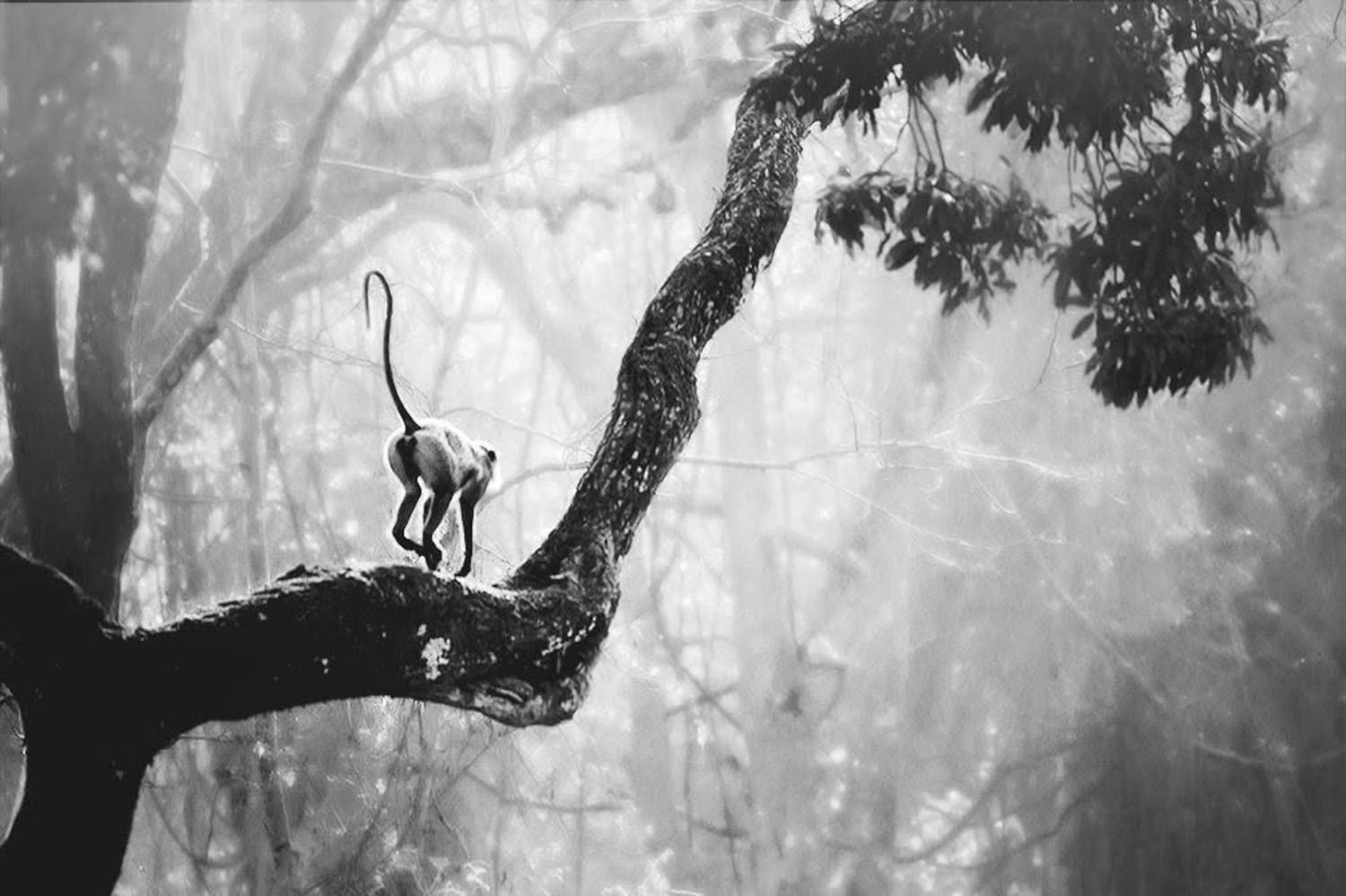
 Sri Chaitanya · 9.15
Beyond opinion.
Toward photographic
understanding.
Five dimensions. One consistent standard. An evaluation that tells you what worked, what didn't, and what to practise — not just what someone thought of your photograph.
A platform that remembers every image — and guides what you make next.
Why This Exists
Most photographs today are validated.
Very few are evaluated.
Every photographer who has entered a programme or submitted work for evaluation has felt it: you submitted your best work, someone else placed higher, and you had no honest answer about why.
The three systems that exist today all fail in the same direction.
| System | What it actually measures |
|---|---|
| Social voting Challenge platforms, social feeds |
The most popular image at that moment, in that community, by people who have no obligation to look carefully. Recency bias. Follow-back bias. A technically excellent image uploaded on a Sunday loses to a mediocre image uploaded on a Monday with 200 friends voting. |
| Panel judging Club judging, award panels |
What the panel agrees on — determined by who is on the panel, what they have seen recently, and what the rest of the pool looks like. Same image, same panel, different week: different result. This is not evaluation. It is opinion under peer pressure. |
| Generic AI evaluation One-image AI tools, no memory |
A number with no context, no memory, no understanding of what you were trying to do. It cannot tell you: your evaluation is 7.2, which places you in the top 14% of Wildlife images this month, and your weakest dimension is how striking it is to a stranger. |
The common thread: the judgment depends on the pool, the panel, or the moment — not on a verifiable standard. A tiger portrait wins a camera club evaluation because no one else shot a tiger that month. The same image places nowhere in an international wildlife programme because the pool has 50,000 tiger portraits. The image did not change. The context did. The evaluation was never about the image.
The Framework
A photograph is the intersection
of two things.
The five DDI dimensions are not arbitrary. They are the complete decomposition of what every photograph consists of — the physical act of making it, and the emotional transmission it achieves.
The Five Dimensions
Five questions. One complete evaluation.
Each dimension is a distinct, non-overlapping question. Together they cover the complete photographic act — the physical side and the transmission side. None of them is about whether the photograph is "nice."
For action: the peak of the behavioural act — the catch, the leap, the collision, the instant of contact.
For landscape: the quality of light — the storm cloud that created the mood, the mist that appeared for four minutes, the moment the colour temperature shifted.
For still life: the shadow angle, the rim light on the bowl, the moment the arrangement was exactly as intended.
For street: the geometric alignment — the moment the figure was at the precise point that completes the composition.
A rating of 5 does not mean this dimension does not apply. It means: the timing was considered but not exceptional — a better moment was available.
Eye Wonder — a compositional find so unlikely it feels impossible: the reflection, the geometry, the layering that no one else saw.
Access Wonder — the photographer got closer, stayed longer, was trusted more than you could have been. A National Geographic photographer in a wolf den for three weeks.
Cultural Wonder — a world the viewer cannot enter: a ritual, a way of life, a place that is closed to outsiders.
Emotional Wonder — a human moment so specific and unguarded that witnessing it feels like a gift.
This is the primary signal for Landscape, Wildlife, Nature, and Documentary photography. But it exists across all photography types — a street portrait with eyes that have seen more than you can imagine carries Wonder.
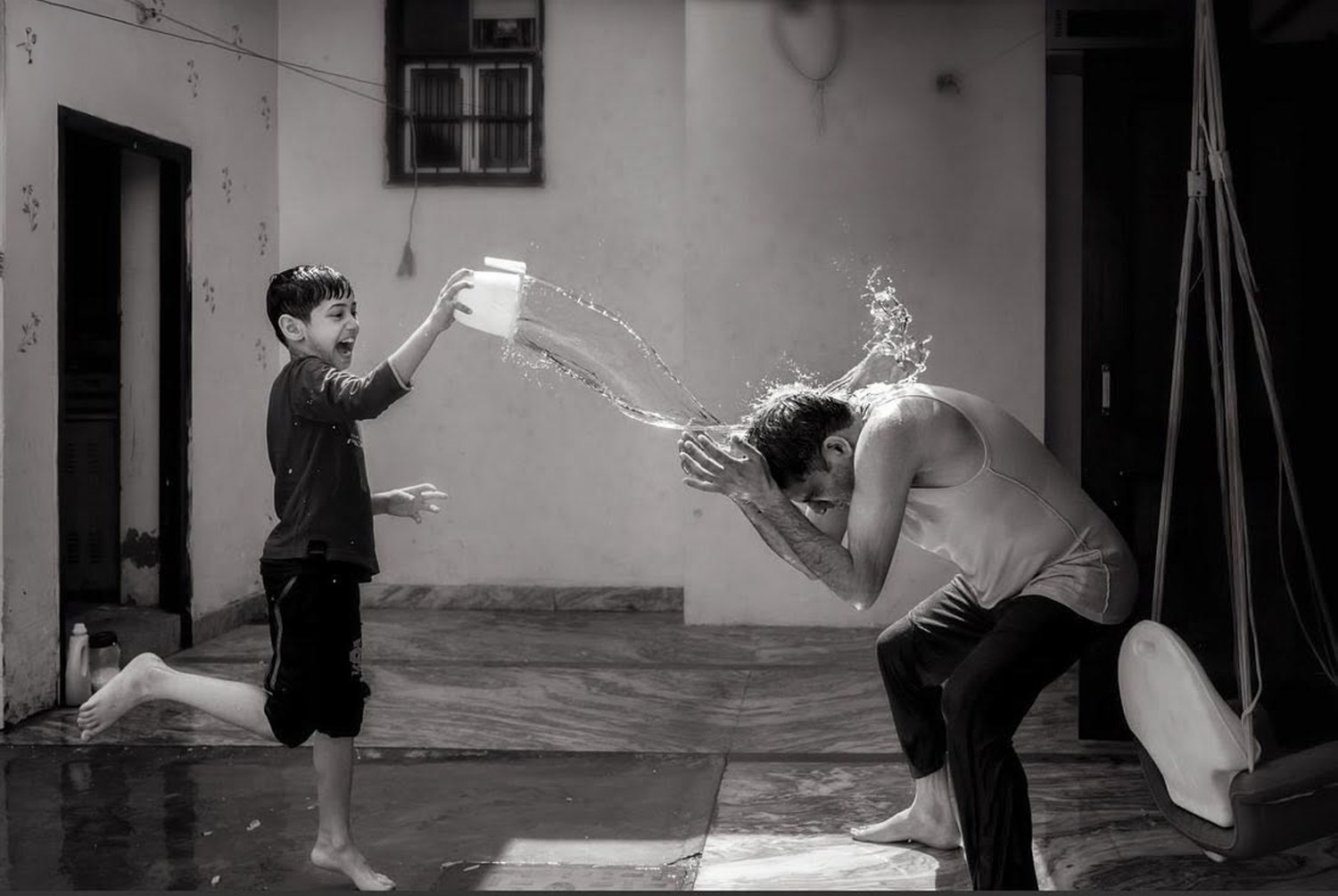 Sri Chaitanya
Human + Engine
Technology can measure patterns.
Humans understand meaning.
The engine does not replace photographers, mentors, or jury members. It exists to create a more consistent foundation for evaluation — reducing the variability of panel opinion while preserving human interpretation, context, and artistic judgment.
Human review remains essential across mentor feedback, Body of Work evaluation, and final recognitions. The engine is the first reader, not the last word.
Your Evaluation Is Permanent
Your evaluation reflects your image assessed at the time of upload against the Depth Dimension Index framework. As the pool grows, the percentile context around it shifts — the evaluation itself does not change.
A new photographer uploading a similar image next year receives their own independent evaluation against a deeper pool. Your result is yours. It is not displaced, diluted, or revised by what comes after.
AI Authenticity Checks
Multi-layer analysis helps identify manipulated or synthetic imagery. Photography remains a human pursuit.
Metadata & File Integrity
EXIF and structural validation help maintain upload consistency.
RAW Verification
Finalist-level images may undergo extra RAW review. Fairness always comes first.
Human Escalation Review
Complex cases are reviewed internally when required. Fairness always comes first.
The engine does not replace artistic interpretation.
Photography remains subjective and deeply human.
The engine is not designed to favour trends.
Images are evaluated for communication and impact — not popularity.
The engine is not social voting.
Evaluations are independent of followers, reach, or engagement.
The engine is not perfect.
It is an evolving evaluation framework designed to improve consistency and fairness over time.
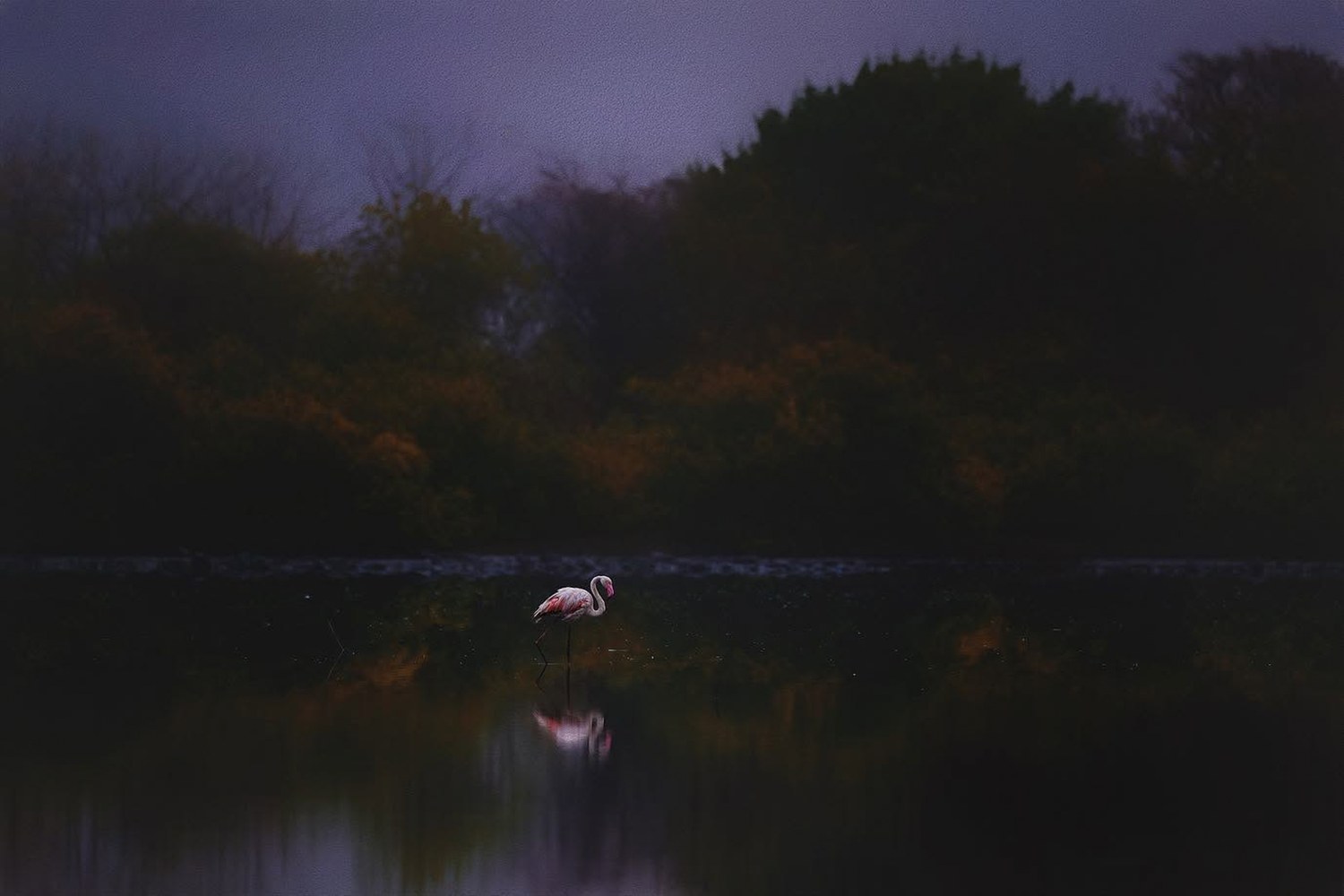 Sri Chaitanya
Photography deserves
more than validation.
The purpose of Shutter League is not simply to evaluate photographs. It is to help photographers understand how their work communicates — and how it can grow stronger over time.